
Ninja CE251 vs Cuisinart DCC-3200: Which Drip Coffee Maker Should You Buy?
Short answer: The Ninja CE251, for most homes. It's easier to live with, owners report far fewer leaks, and its coffee rated better in independent taste scoring. Get the Cuisinart if you regularly brew more than 12 cups.
Ninja CE251
4.4★ · 29,361 ratings
- You brew 4 to 10 cups most mornings
- You want a removable tank you can fill at the sink
- A leaky machine would drive you crazy (85% of Cuisinart leak mentions are complaints)
Cuisinart DCC-3200
4.4★ · 44,456 ratings
- You regularly need 14 cups for a family or office
- You want a 3-year warranty instead of 1 year
- You like setting the hot plate to Low, Medium or High
These two keep showing up side by side for a reason. They sit at #2 and #5 in Amazon’s Coffee Machines best-seller list, both brew a full pot with a bold setting, and both have a 1–4 cup mode that slows the brew so small batches aren’t weak. On paper they’re nearly twins. In owners’ kitchens, they age very differently.
The deciding difference
Leaks. The Cuisinart’s single biggest complaint is water where it shouldn’t be: 1,077 negative mentions out of 1,265, or 85%. The Ninja doesn’t even have leakage as a top owner topic. If you hate wiping a puddle off the counter every morning, that settles it.
Capacity is the second split. The Cuisinart makes 14 cups, or 70 oz. The Ninja tops out at 12. That only matters if you’re brewing for four or more coffee drinkers at once.
Side by side
| Ninja CE251 | Cuisinart DCC-3200 | |
|---|---|---|
| Capacity | 12 cups | 14 cups |
| Power | 1100 W | 1050 W |
| Reservoir | 60 oz, removable | Fixed |
| Warming plate | Adjustable, up to 4 hrs | Low / Med / High, 0–4 hr shut-off |
| Warranty | 1 year | 3 years |
| Owner rating | 4.4★ (29,361) | 4.4★ (44,456) |
Where they differ
Taste and heat. Reviewers at TechGearLab measured the Ninja averaging 191.6°F with a 202.5°F peak, which is hot enough to extract properly. Cuisinart owners are happy with heat too, at 82% positive. On flavor, expect a small edge for the Ninja, not a blowout.
Daily use. The Ninja’s tank lifts off and goes to the sink. The Cuisinart’s doesn’t, so you fill it with the carafe. Expect to keep the manual handy for the Cuisinart’s clock and program buttons at first.
Speed. Both take several minutes for a full pot, and both can be programmed the night before. If you set the timer, you’ll never notice a minute either way.
Warranty. The Cuisinart’s 3 years is the one thing that softens its reliability record. Keep the receipt.
What owners say
Both machines get glowing marks for the coffee itself. Coffee-quality mentions are 96% positive for the Ninja and 95% for the Cuisinart.
The trouble starts later. Ninja owners report the glass carafe breaking and some units that simply stop brewing, and 79% of its durability mentions are negative. For the Cuisinart it’s 73%, but leaks pile on top of that. Value for money tells a similar story: 71% positive for the Ninja, 67% for the Cuisinart.
Our pick
The Ninja CE251 wins. Same coffee quality, an easier tank, a better taste score and no leak problem to speak of. Choose the Cuisinart DCC-3200 if you truly need 14 cups at a time, and register that 3-year warranty the day it arrives.
Where they differ
| Spec | Ninja CE251 | Cuisinart DCC-3200 |
|---|---|---|
| Amazon rating | 4.4★ (29,361) | 4.4★ (44,456) |
| Capacity | 12 cups (glass carafe) | 14 cups / 70 oz (glass carafe) |
| Brew styles | Classic, Rich | — |
| Reservoir | 60 oz, removable | — |
| Warming plate | Adjustable, up to 4 hours | Low / Medium / High |
| Power | 1100 W | 1050 W |
| Filter | Permanent mesh | — |
| Size | 10.5 × 9.9 × 14.6 in | — |
| Brew strength | — | Regular, Bold |
| Auto shut-off | — | Adjustable, 0–4 hours |
| Filters | — | Gold-tone permanent + charcoal water filter |
| Warranty | — | 3 years |
| Price | Check price | Check price |
What owners say about the Ninja CE251
Topics mentioned most in Amazon reviews, split into positive and negative mentions. Snapshot taken October 28, 2026.
Owners rate the coffee itself very highly: 96% of coffee-quality mentions are positive, and nearly everyone finds it simple to run. The weak spot is lifespan. About 4 in 5 durability mentions are complaints, often about the glass carafe breaking or the machine quitting mid-brew.
What owners say about the Cuisinart DCC-3200
Topics mentioned most in Amazon reviews, split into positive and negative mentions. Snapshot taken October 28, 2026.
Coffee quality and heat get strong marks, with 95% of quality mentions positive. Leaks are the defining complaint: 1,077 of 1,265 leakage mentions are negative, and durability mentions run nearly three to one against it.
FAQ
Which one makes hotter coffee?
TechGearLab measured the Ninja CE251 averaging 191.6°F and peaking at 202.5°F, close to the 195–205°F range coffee people aim for. We couldn't find a measurement that clearly names the DCC-3200. Its owners talk about heat a lot, and 82% of those temperature mentions are positive.
Why does the Cuisinart DCC-3200 leak?
Leaking is its most negative topic, with 1,077 of 1,265 mentions complaining. Repair guides on iFixit point to the internal water hose wearing out after a year or two. A carafe that isn't seated properly can also cause drips.
Do they need paper filters?
No. The Ninja comes with a permanent mesh filter and the Cuisinart with a gold-tone one. Paper is still worth trying: it traps fine sediment and oils, so the cup tastes cleaner, and cleanup is quicker.
How often should I descale them?
The Cuisinart has a self-clean button and a light that tells you when. The Ninja has a clean cycle too. With hard water, plan on every month or two.
Ready to buy?
- Our pickNinja CE2514.4★ · 29,361 ratingsCheck price on Amazon
- Cuisinart DCC-32004.4★ · 44,456 ratingsCheck price on Amazon
Prices and stock change often, so the button shows today’s price on Amazon.com.
Was this guide helpful?
Sorry about that. What was off?
Thanks, that helps us decide what to fix next. Tell us more
How we put this together
We compared manufacturer specs and Amazon listing details, read the patterns in Amazon owner reviews (we refresh this snapshot regularly), and scored each product with our published rubric. We have not tested these units hands-on. When we do, the page will say so. Prices change constantly, so we link to the live price instead of quoting one.
Keep reading
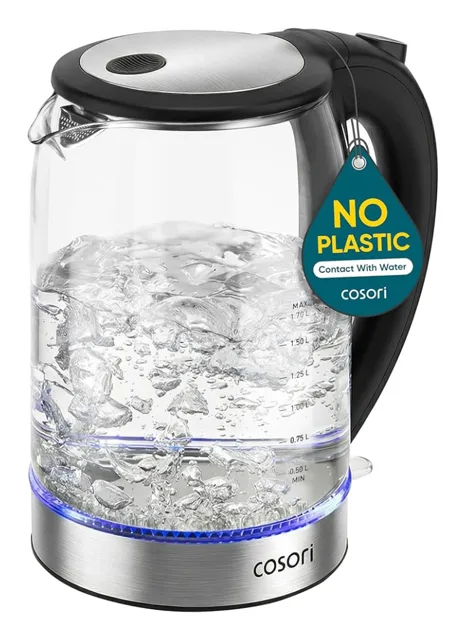
Is the Cosori Electric Kettle (1.7L Glass) Worth Buying in 2026?
Yes, for most people who just want fast, plastic-free boiling water. Skip it if you brew green tea or pour-over and need set temperatures.
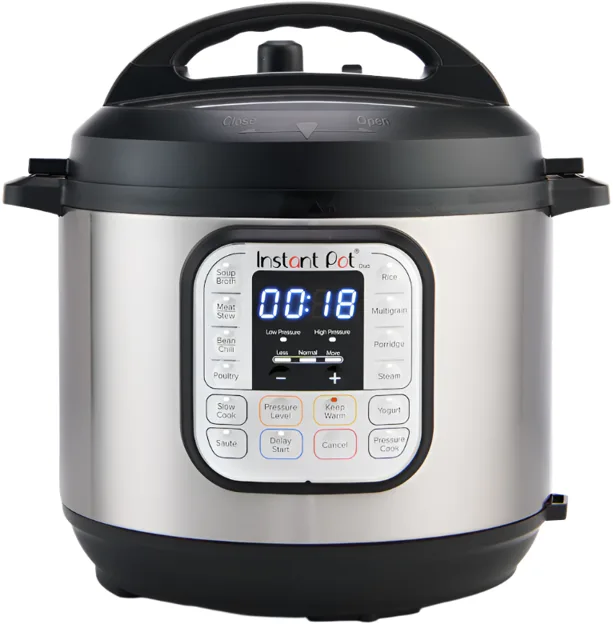
Best Electric Pressure Cookers on Amazon (2026): 6 Picks, From 4 to 9.5 Quarts
For most kitchens: the Instant Pot Duo 6 Qt. Want sous vide and a clearer display: the Duo Plus. Cooking for one or two: the Rio Mini 4 Qt. Want an air fryer too: the Duo Crisp 8 Qt.
Instant Pot Duo vs Duo Plus (6 Qt): Is the Upgrade Worth It?
The Duo, for most people. It cooks the same core meals with the same pot and has the stronger owner record. Get the Duo Plus if you want sous vide or a display that shows which stage it's in.